Bringing History to Life with Ephemera Handwritten Script Junk Journal Pages
There is a specific kind of magic found in old letters, faded ledgers, and handwritten notes from a century ago. They carry a weight of history that crisp, white printer paper simply cannot replicate. For creators, hobbyists, and small business owners looking to inject soul into their projects, Ephemera Handwritten Script Junk Journal resources have become an essential tool. These digital collections allow you to bypass the hunt for fragile antiques while still achieving that authentic, time-worn aesthetic. Whether you are crafting a personal memory book or designing packaging for a boutique brand, understanding how to leverage these vintage textures can transform a standard project into something timeless.
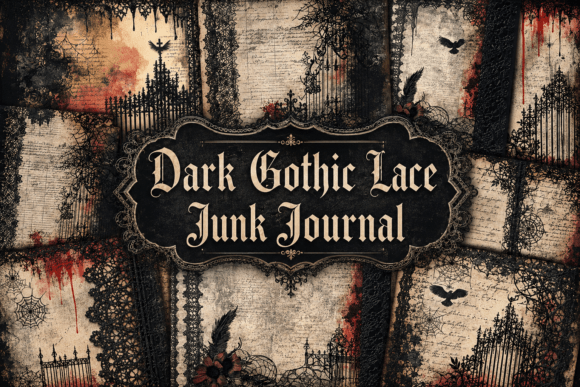
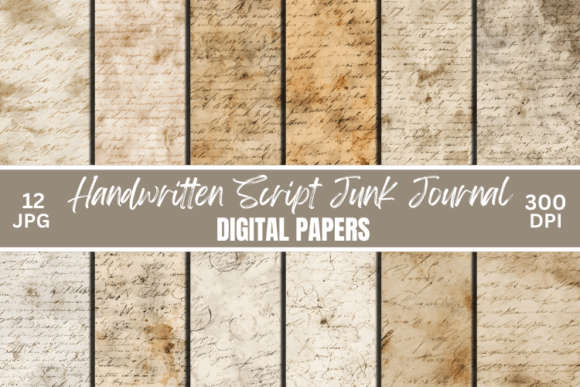
At its core, this type of digital ephemera consists of high-resolution scans or recreations of antique documents. Think Victorian script, yellowed parchment, rough rustic textures, and elegant calligraphy. When you download a bundle, such as a set of 12 digital papers at 300 DPI, you aren't just getting images; you are getting a library of backgrounds that tell a story before you even add your own content. The beauty of the digital format is accessibility. You no longer need to visit estate sales or risk damaging irreplaceable heirlooms to get the look. Instead, you have instant access to seamless patterns and distinct pages ready for printing, sublimation, or digital design.
Real-World Applications for Creators and Hobbyists
The versatility of vintage handwritten paper patterns extends far beyond traditional scrapbooking. While junk journaling is the most obvious application, the practical uses span across various creative and professional scenarios. Consider the everyday user who wants to create a unique gift. Using these textured backgrounds for custom gift wrapping adds a layer of thoughtfulness that store-bought rolls lack. Imagine wrapping a birthday present for a literature lover using a sheet featuring faded manuscript text or a romantic love letter script. It turns the act of giving into an experience.
For small business owners, particularly those in the handmade goods sector, branding is everything. A candle maker or a soap artisan can use these vintage ledger pages or distressed parchment designs to create labels and packaging inserts. When a customer receives a product wrapped in paper that looks like it was pulled from an old apothecary jar, the perceived value of the item increases. It suggests heritage, quality, and attention to detail. Similarly, wedding stationers can utilize elegant Victorian scripts for invitations, RSVP cards, or table numbers, providing couples with a classic, romantic theme without the cost of custom calligraphy.
Educators and workshop leaders also find immense value in these resources. When teaching history or literature, handing out worksheets printed on "aged" paper can help students mentally transport themselves to the era being studied. It creates an immersive learning environment. A teacher discussing the Civil War or the Victorian era can print primary source-style handouts that feel authentic, making the lesson more engaging than a standard black-and-white photocopy.
Navigating Digital vs. Physical Use
One of the most critical aspects of working with Ephemera Handwritten Script Junk Journal files is understanding the medium. Since these are digital products, typically delivered as JPGs in a zip file, the outcome depends heavily on how you process them. If you are printing at home, your printer settings and paper choice will dictate the final look. To achieve the best result, pair these digital files with cardstock that has a slight tooth or texture. Printing a smooth, glossy image on matte, textured paper helps blend the digital ink with the physical surface, reducing the "printed" look and enhancing the illusion of age.
However, the utility isn't limited to physical prints. Digital planners and tablet users can import these 3600 x 3600 pixel images directly into apps like GoodNotes or Procreate. This allows for infinite layering and experimentation without wasting a single sheet of paper. You can create digital collages, overlay handwriting fonts, and build complex journal spreads that would be impossible to undo once glued down. For bloggers and content marketers, these textures serve as excellent background elements for social media graphics or website headers, adding warmth and personality to a digital presence that often feels too sterile.
It is also worth noting the technical specifications matter. A resolution of 300 DPI is the industry standard for high-quality printing. If you intend to use these patterns for larger projects, like wall art or backdrop embroidery, ensure you are scaling correctly to avoid pixelation. The seamless nature of many of these patterns means they can be tiled indefinitely, making them perfect for covering large surfaces or creating repeating motifs for fabric and sublimation projects on tumblers and acrylics.
Choosing the Right Aesthetic for Your Project
Not all vintage paper is created equal, and selecting the right texture requires a bit of intentionality. Are you aiming for elegant and refined or gritty and distressed? A bundle containing love letters and elegant papers suits romantic themes, weddings, and sentimental keepsakes. The soft pastels and flowing scripts evoke feelings of nostalgia and tenderness. On the other hand, if you are working on a project related to exploration, mystery, or industrial history, you might lean towards rougher, more weathered ledger pages or grunge-textured backgrounds.
When browsing for these digital assets, look for variety within the pack. A good collection should offer a mix of legibility and texture. Some pages should be busy enough to stand alone as art, while others should be subtle enough to serve as a background for heavy text or photos. The "undefined handwritten" textures are particularly useful because they provide the visual interest of script without the distraction of readable words, allowing your own message to take center stage.
Color accuracy is another practical consideration. Monitor settings vary wildly, and the "yellowed" tone you see on your screen might print warmer or cooler depending on your printer's ink profile. It is always wise to print a test page on your intended paper stock before committing to a full run. This is especially true for commercial projects where brand consistency is key. Remember, part of the charm of vintage ephemera is imperfection; slight variations in color can actually enhance the aged look, making each piece feel unique and hand-selected.
Maximizing Value Through Mixed Media
The true power of these digital papers shines when they are combined with other media. Don't just print and paste; experiment. Use them as a base for embroidery, stitching directly through the printed paper to add tactile dimension. Apply wax seals over printed letterheads for a dramatic finishing touch. Cut them into strips for washi tape alternatives or die-cut them into shapes for intricate card layers. The high resolution ensures that even when cut into small stickers or tags, the details of the script and the grain of the "old paper" remain sharp.
For those using cutting machines like Cricut or Silhouette, these JPGs can be traced and converted into cut files. This opens up possibilities for creating custom stencils, layered paper dolls, or complex 3D pop-up elements for greeting cards. The limit is truly defined by your imagination rather than the constraints of the file format.
Ultimately, integrating Ephemera Handwritten Script Junk Journal elements into your workflow is about storytelling. Whether you are preserving family memories, building a brand identity, or simply enjoying a quiet afternoon of crafting, these digital tools bridge the gap between the past and the present. They allow us to hold onto the elegance of history while utilizing the convenience of modern technology. By choosing the right textures and applying them with intention, you can create works that feel not just made, but discovered.